The Advantages of Senior Living Near Me for Those With Amnesia
@traviscfyo830
November 12, 2026 · 18 min read
Business Name: BeeHive Homes of Henderson
Address: 1000 Greenway Rd, Henderson, NV 89002
Phone: (702) 551-0265
BeeHive Homes of Henderson
At BeeHive Homes of Henderson, Nevada, we offer the finest assisted living and memory care experience available in a cozy, comfortable homelike setting. Each of our residents has their own spacious room with an ADA approved bathroom and shower. We prepare and serve delicious home-cooked meals three times a day every day. We maintain a small, friendly community of only 20 residents per home. We provide regular activities that our residents find fun and contribute to their health and well-being. Our staff is attentive and caring and provides assistance with daily activities to our residents in a loving and respectful manner. We would like to invite you to tour and experience our memory care & assisted living home and feel the difference.
1000 Greenway Rd, Henderson, NV 89002
Business Hours
When amnesia starts to improve every day life, family members frequently really feel drawn in 2 directions at the same time. On one hand, there is the need to maintain a loved one comfy, acquainted, and near to the routines they have constantly understood. On the other, there is the growing understanding that home may no more be the best or least demanding location for them. That is where searching for senior living near me starts to matter in a really useful means. Distance is not just a comfort. It affects just how typically household can visit, exactly how quickly support can be set up, exactly how acquainted the environments feel, and exactly how easily care can adjust as needs change.
For lots of people, the phrase memory care brings to mind a special device or a secured building. That photo is not wrong, yet it is incomplete. Excellent memory care is much less concerning the architecture and even more concerning the daily experience. It has to do with lowering anxiety, maintaining routines foreseeable, maintaining self-respect, and giving families room to take a breath. When that care is nearby, the benefits substance. Driving time shrinks. Emergency situations feel a lot more workable. Spontaneous visits become practical. And for an individual dealing with dementia, Alzheimer's condition, or another type of cognitive decrease, those small distinctions commonly bring more weight than we expect.
Familiarity assists when memory ends up being unreliable
Memory loss tends to strip away one layer each time. Initially there might be missed out on consultations or duplicated questions. After that names become unsafe, dates blur, and acquainted places begin to really feel oddly unfamiliar. Ultimately, even a well-loved home can come to be complicated if layouts alter or if there are too many selections to take care of at once.
A nearby senior living community can soften that disorientation. Knowledge issues greater than people recognize. A resident who can still acknowledge the basic area, the neighborhood climate patterns, or the drive past a place they used to visit may really feel a bit extra anchored. Relative also often tend to visit more often when the trip is not a major manufacturing. A 15 minute drive after work is a various point from a 2 hour round trip across community. That difference shows up in the real world. Even more visits imply even more peace of mind, even more familiar faces, and extra possibilities for team and family to stay straightened on what helps and what does not.
I have actually seen families make the error of picking the "finest rated" memory care area that occurred to be far away, only to understand later that distance became its own problem. One little girl saw twice a month in the beginning, after that once a month, then less often because the drive was draining pipes and life was active. Her mother did penalty in the program, but the partnership experienced. When memory loss is involved, uniformity matters. Nearby senior living frequently sustains that consistency in a way an outstanding however remote choice cannot.
Memory care near me can make the adjustment less painful
Moving is hard for any individual. For someone with amnesia, it can really feel deeply disturbing since the capacity to understand and adapt to change is currently under stress. A familiar food store, church, or community doctor may have aided create the scaffolding of everyday life. When those anchors start to fall short, the transfer to a brand-new setting needs to be managed carefully.
This is where memory care near me has a genuine advantage. A local relocation generally implies much less travel tension on the day of change, fewer new geographical patterns to discover, and much less interruption to family members regimens. That might seem small, but for an individual with cognitive decline, small things frequently establish whether a change really feels workable or disorderly. If a partner, grown-up youngster, or sibling can visit consistently throughout the initial few weeks, the resident has a far better opportunity of settling in without senior care really feeling abandoned.
Good communities comprehend that adjustment seldom happens on a schedule. Some locals warm up within days. Others need a month or longer. A neighboring setup permits families to remain included throughout that unpredictable duration without exhausting themselves. They can bring a preferred coat eventually, a family image the next, and return once again the day after if that is what it takes. This type of constant presence can reduce anxiety and help the resident start associating the brand-new setting with safety instead of loss.
Better interaction, fewer gaps
One of the most underrated benefits of senior care close to home is interaction. Memory loss care is not static. Requirements alter, drugs alter, sleep adjustments, hunger modifications, and habits can change promptly when something is off. If a loved one neighbors, member of the family are most likely to remain in the loophole. They can attend care plan conferences without rearranging an entire day. They can decrease in when they see a worry as opposed to waiting on a scheduled visit. They can react quickly if the community calls with a concern about a brand-new symptom, a medicine concern, or a modification in mood.
That speed matters. A quick conversation can stop confusion later. Maybe mom seems more unclear after breakfast, and the staff notice it also. Possibly dad is resting a lot more during the day since a medication was readjusted. Possibly a resident is unexpectedly declining dishes, which can indicate anything from a dental concern to infection or basic stress and anxiety. When senior care neighbors, families can see patterns faster and choose based on real monitoring instead of stale information passed along by phone.
This is likewise where a local setup can aid with elder care extra extensively. When older grownups live close to household, doctors, pharmacies, and relied on experts, support tends to remain coordinated. Family members are not trying to take care of care from a range while guessing at what is occurring in day-to-day live. They can continue to be energetic participants rather than remote problem-solvers.
The social side of memory assistance matters more than individuals think
Isolation can accelerate decline in subtle ways. It is not always remarkable. Occasionally it appears like an individual taking out from conversation due to the fact that they are shamed by forgetfulness. Sometimes it appears as irritability, less passion in dishes, or a tendency to sleep even more during the day. Human connection does not cure memory loss, yet it can reduce stress and anxiety and help a person stay even more involved with the globe around them.
Senior living near me can be particularly useful when it makes social interaction much easier to sustain. Regional family members visits are only component of the picture. Neighboring neighborhoods usually have more powerful links to the bordering community. A resident may see acquainted local accents, regional seasonal foods, and even old acquaintances who volunteer or visit. That sense of place can be reassuring. An acquainted church team, school choir, expert company, or senior facility can occasionally remain to contribute after the action, particularly when the area is close sufficient for regular participation.
I have watched locals with very restricted short-term memory still react to familiar songs, baking smells, and vacation routines. They might not keep in mind specifically why a particular hymn issues, but they feel its comfort. They might neglect what day it is, but still know they are appreciating a Tuesday mid-day with people who recognize their name. A neighboring setting boosts the probabilities that those connections remain part of life as opposed to being left behind.
Safety without stripping away dignity
Safety is usually the initial concern that presses family members towards memory care. Straying, medicine blunders, range crashes, missed out on meals, and poor judgment around driving can all become serious dangers. But safety is not the same thing as control, and families typically fight with that balance. Too much limitation can leave a person sensation entraped. Insufficient support can put them in danger.
Well-run memory care communities aim for something much more thoughtful. They minimize threat while still enabling as much freedom as possible. A neighboring area makes it much easier for families to inspect whether that equilibrium is being preserved. You can see whether locals are encouraged to do small tasks on their own, whether the environment really feels tranquil or overly institutional, and whether the staff recognize how to redirect as opposed to argue.
That subtlety issues in dementia care. A resident that urges they require to "go home" is often not expressing a literal wish so much as a sensation of being unclear. Personnel learnt memory care understand just how to react to the feeling rather than the valid mistake. Families that can visit typically have a better sense of whether those methods are being made use of pleasantly. They discover whether their loved one still looks like themselves, whether they are clean and comfy, and whether they are being talked with as a person instead of an issue to manage.
Practical support for the family caregiver
Families usually take too lightly the weight of caregiving till they are currently deep in it. A partner may be managing medicines, dishes, transportation, laundry, and nighttime get up. A grown-up child may be juggling work, kids, and a parent who calls repetitively due to the fact that they are terrified or overwhelmed. Also when love is solid, fatigue can sneak up quickly.
That is one reason respite care comes to be such an alleviation. Short term remains or temporary support can give family members caregivers space to recover without abandoning their loved one. A close-by community makes respite care less complicated to use, because it does not call for a long disturbance or a challenging itinerary. A little girl can set up a couple of days of support while she travels for work. An other half can rest after a medical facility keep of his own. A son can take a lengthy overdue weekend away without stressing that his mother is unsafe.
I have seen caretaker alleviation make an extensive distinction, not only in power levels but in the partnership itself. When a family members caretaker is tired, persistence tends to battle royal. Small behaviors feel massive. Repetition really feels unbearable. Close-by senior living can develop breathing room, which breathing room frequently protects the bond that amnesia threatens to strain.
Choosing the best area means looking beyond range alone
Searching for memory care near me or senior living near me is a smart starting point, however distance by itself should never ever be the only element. Some areas are close yet not well fit to a specific person's demands. Others are a little bit farther away yet supply far better staffing patterns, better dining, or even more thoughtful shows. The objective is not to choose the closest structure. The goal is to select the closest good fit.
Families generally make much better choices when they hang out observing the details that shape daily life. That consists of just how staff greet homeowners, whether individuals appear calm or rushed, how the typical locations scent and sound, and whether the atmosphere supports safe strolling and easy positioning. An area that looks brightened on tour day may still be the wrong option if the staffing feels slim or if citizens show up disengaged. On the various other hand, a much less flashy setup might be much better run than it initial appears.
When comparing options, it aids to pay attention to the functional facts that shape memory care every day. These are the concerns that matter most:
- Does the neighborhood have experience with the details type of memory loss your loved one is facing?
- Can household visit often without significant organizing strain?
- Are regimens structured sufficient to lower confusion, yet flexible sufficient to respect the resident?
- How does the team handle agitation, roaming, and late day confusion?
- Is respite care readily available if you need a short-lived bridge prior to making a longer decision?
Those concerns do not ensure an excellent selection, yet they expose a whole lot about how a community really operates.
Why nearby care typically improves long-term stability
Memory loss adjustments in time. Some people stay relatively constant for months. Others decrease in fits and starts, with an unexpected hospitalization or a bout of confusion after a drug change. Since the course is unpredictable, family members gain from care that can adjust without becoming logistically overwhelming. Close-by senior care makes it simpler to change from independent living to assisted support, from assisted assistance to memory care, or from one level of solution to an additional if requirements change.
That stability can avoid dilemma driven decisions. Too often, family members wait up until the situation ends up being difficult, then make a hurried choice after an autumn, a wandering occurrence, or a healthcare facility discharge. A neighborhood connection with a neighborhood or care consultant can lower that pressure. Also if the individual is not all set to relocate today, visiting neighboring choices very early offers families a strategy before panic sets in.
There is also comfort in recognizing aid is available quickly. If a loved one is in memory care and something unforeseen takes place, household can commonly exist in mins instead of hours. That matters during emergency clinic visits, after an abrupt fall, or when a resident just needs the face of somebody they trust. Closeness transforms abstract worry into practical action.
The emotional advantage is genuine, also when it is tough to measure
Families sometimes concentrate so heavily on logistics that they forget the emotional alleviation that comes from choosing care close by. Yet that relief is real. It appears when a spouse can visit after lunch without getting ready for a lengthy drive. It shows up when a grown-up youngster can visit before job just to greet. It shows up when grandchildren can preserve a relationship without transforming every visit right into an event.
For the person with memory loss, the sensation of being remembered is effective. They may not remember every detail of the conversation, but they commonly keep in mind the tone, the heat, the routine of seeing the exact same faces. Nearby senior living supports that kind of constant visibility. It permits domesticity to proceed, simply in a different form.
That connection issues in elder care. The move to memory care does not remove the family members function. It alters it. Rather than dealing with every task alone, households can return to what they do best, caring, encouraging, promoting, and appearing. When the neighborhood is close, that duty becomes even more sustainable.
What family members often see after the move
The initial point several family members notification is much less mayhem. The 2nd is much more energy. When meals, safety, and guidance are being taken care of by a team, the household partnership often ends up being gentler. Visits are no more defined by chores or situations. A child may invest the afternoon looking through images instead of arranging tablets. A spouse might hold his other half's hand and actually enjoy the moment rather than fretting about whether she consumed lunch.
The resident might likewise seem calmer. That is not ensured, and shift can be rough at first, particularly for someone that is deeply attached to home. Still, once regimens work out, many individuals with memory loss benefit from the predictability of a structured atmosphere. Staff know when they such as coffee, what songs soothes them, and which phrases trigger anxiety. That type of personalized attention is easier to maintain when household can visit typically and share what they know.
Nearby memory care additionally makes it easier to stay truthful concerning the difficult components. If a resident is having a bad week, family members can see it. If they are growing, family can see that also. Having the ability to witness adjustment firsthand assists protect against both denial and overreaction. Choices become more based, and that issues when feelings are already running high.
A strong local fit does not get rid of sorrow. Memory loss still brings despair, even in the best setting. But it can change several of the daily fear with steadier support. It can lower the feeling of range in between family and care. It can make a challenging chapter feel much less isolating.
For households searching for memory care, senior care, respite care, or elder care close to home, the worth of close-by assistance is not abstract. It is gauged in easier visits, safer regimens, better interaction, and a little much more peace throughout a time when tranquility can be difficult to locate. And when a loved one can remain linked to familiar individuals and places, that nearness can make all the difference.
BeeHive Homes of Henderson provides assisted living care
BeeHive Homes of Henderson provides memory care services
BeeHive Homes of Henderson provides respite care services
BeeHive Homes of Henderson supports assistance with bathing and grooming
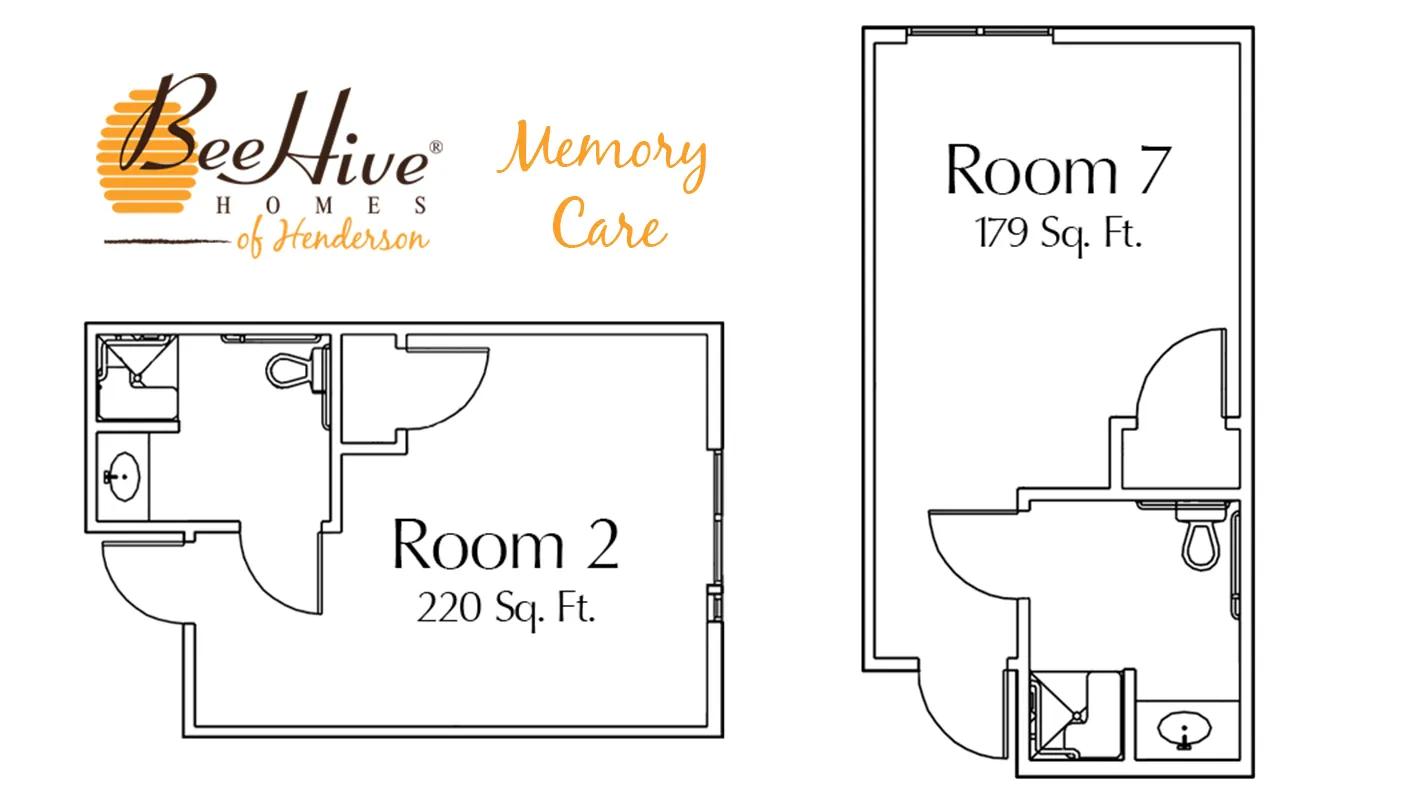
BeeHive Homes of Henderson offers private bedrooms with private bathrooms
BeeHive Homes of Henderson provides medication monitoring and documentation
BeeHive Homes of Henderson serves dietitian-approved meals
BeeHive Homes of Henderson provides housekeeping services
BeeHive Homes of Henderson provides laundry services
BeeHive Homes of Henderson offers community dining and social engagement activities
BeeHive Homes of Henderson features life enrichment activities
BeeHive Homes of Henderson supports personal care assistance during meals and daily routines
BeeHive Homes of Henderson promotes frequent physical and mental exercise opportunities
BeeHive Homes of Henderson provides a home-like residential environment
BeeHive Homes of Henderson creates customized care plans as residents’ needs change
BeeHive Homes of Henderson assesses individual resident care needs
BeeHive Homes of Henderson accepts private pay and long-term care insurance
BeeHive Homes of Henderson assists qualified veterans with Aid and Attendance benefits
BeeHive Homes of Henderson encourages meaningful resident-to-staff relationships
BeeHive Homes of Henderson delivers compassionate, attentive senior care focused on dignity and comfort
BeeHive Homes of Henderson has a phone number of (702) 551-0265
BeeHive Homes of Henderson has an address of 1000 Greenway Rd, Henderson, NV 89002
BeeHive Homes of Henderson has a website https://beehivehomes.com/locations/henderson/
BeeHive Homes of Henderson has Google Maps listing https://maps.app.goo.gl/qpZ3TKgbxCu1MVSh8
BeeHive Homes of Henderson has Instagram page https://www.instagram.com/beehivehomeshenderson/
BeeHive Homes of Henderson has an YouTube page https://www.youtube.com/@hamiltonshives4468
BeeHive Homes of Henderson won Top Assisted Living Homes 2025
BeeHive Homes of Henderson earned Best Customer Service Award 2024
BeeHive Homes of Henderson placed 1st for Senior Living Communities 2025
People Also Ask about BeeHive Homes of Henderson
What is BeeHive Homes of Henderson Living monthly room rate?
Our base rate is $4,700 per month for assisted living and $5,700 per month for memory care plus a one-time community fee of $2,500. We do an assessment of each resident's needs prior to move-in, so each resident's rate may be higher. These prices fall into three tiers based on resident needs and range from $4,700/month to $7,300/month. However, after we do the assessment and quote a price, there are no add-ons or hidden fees
Does Medicare and Medicaid pay for a stay at Bee Hive Homes?
Medicare pays for hospital and nursing home stays, but does not pay for assisted living. Some assisted living facilities are Medicaid providers but we are not. We do accept private pay, long-term care insurance, and we can assist qualified Veterans with approval for the Aid and Attendance program
Do we have a nurse on staff?
We do have a nurse on contract who is available as a resource to our staff but our residents' needs do not require a nurse on-site. We always have trained caregivers in the home and awake around the clock
What can you tell me about the food at Bee Hive?
You have to smell it and taste it to believe it! We use dietitian-approved meals with alternates available for flexibility, and we can accommodate needs for different textures and therapeutic diets. We have found that most physicians are happy to relax diet restrictions without any negative effect on our residents
Do we allow pets?
We do allow small pets as long as the resident is able to care for them. State regulations also require that we have evidence of current immunizations for any required shots
Where is BeeHive Homes of Henderson located?
BeeHive Homes of Henderson is conveniently located at 1000 Greenway Rd, Henderson, NV 89002. You can easily find directions on Google Maps or call at (702) 551-0265 Monday through Sunday 9:00am to 5:00pm
How can I contact BeeHive Homes of Henderson?
You can contact BeeHive Homes of Henderson by phone at: (702) 551-0265, visit their website at https://beehivehomes.com/locations/henderson/ or connect on social media via Instagram or Facebook
McCullough Vista Park offers a convenient outdoor setting where families connected with Assisted living memory care senior care elderly care and respite care can enjoy fresh air and meaningful time together.